
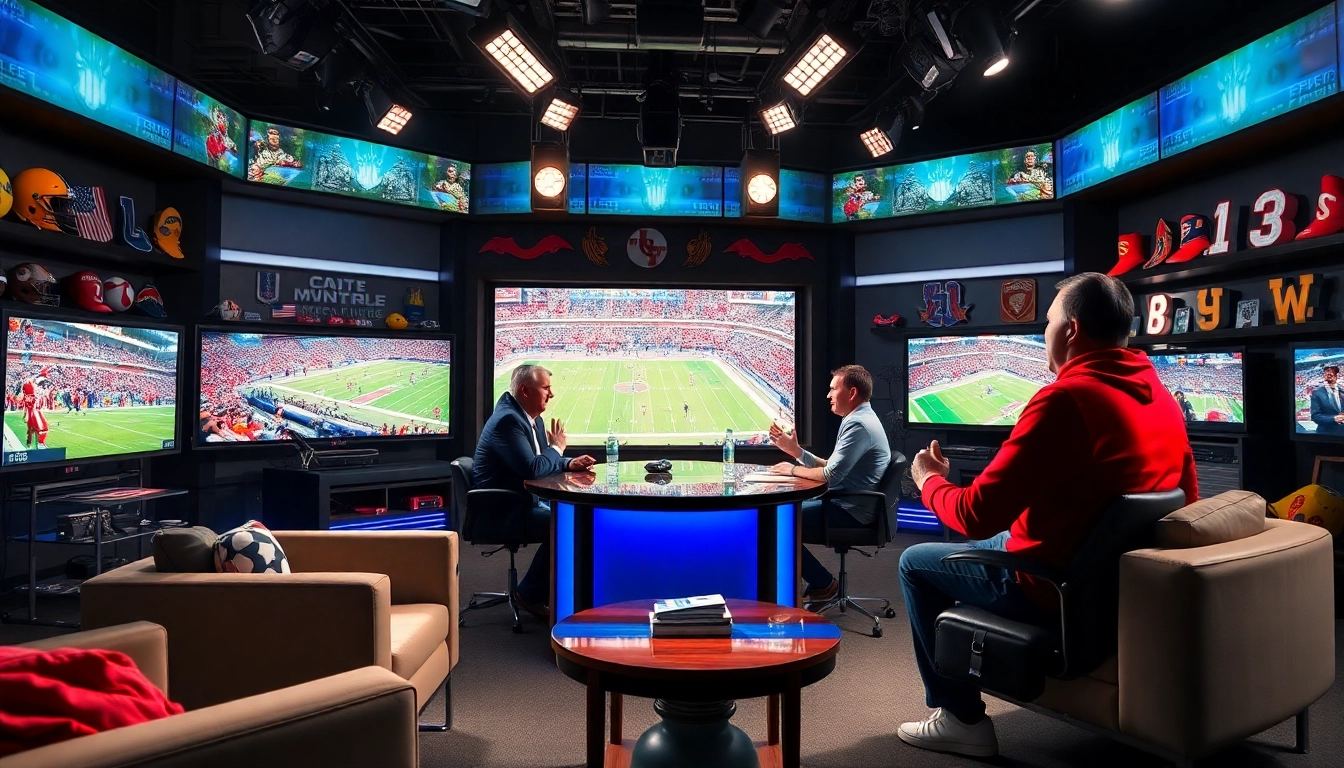
Understanding Sports Broadcasting
Sports broadcasting is a dynamic field that combines the love of sports with the art of communication. It involves reporting and analyzing sporting events for audiences across various platforms, including television, radio, and digital media. With the rapid evolution of media technology and changes in viewer preferences, mastery in Sports Broadcasting has never been more critical for success.
The Evolution of Sports Broadcasting
Sports broadcasting has undergone significant transformations since the first live radio broadcasts in the 1920s. Initially limited to radio, the advent of television in the 1950s revolutionized the way fans consumed sports, bringing games into their living rooms. Today, digital streaming platforms and social media have redefined access, allowing fans to engage with content anytime, anywhere. This evolution reflects not only technological advancements but also changing audience expectations and engagement styles.
Key Components of Sports Broadcasting
Success in sports broadcasting hinges on several key components:
- On-air Talent: Trusted and knowledgeable hosts and commentators who convey the excitement of the game.
- Production Team: Vital behind-the-scenes staff, including producers, directors, and technicians who ensure seamless broadcasts.
- Content Creation: Engaging narratives, analyses, and interviews that enhance viewer satisfaction and loyalty.
Each element plays a pivotal role in creating quality broadcasts that resonate with audiences.
The Role of Technology in Sports Broadcasting
The impact of technology on sports broadcasting is profound. Innovations like high-definition video, instant replay, and augmented reality enhance viewer experiences, making broadcasts more immersive. Additionally, data analytics tools enable broadcasters to deliver real-time stats and insights, catering to the growing demand for in-depth information during live events. As technology continues to advance, staying ahead of trends is crucial for broadcasters.
Essential Skills for Sports Broadcasters
To excel in sports broadcasting, specific skills are essential. Broadcasters must adapt to a fast-paced environment while captivating audiences with their knowledge and personality.
Communication Techniques for Engaging Audiences
Effective communication is at the heart of sports broadcasting. Broadcasters must be clear, engaging, and relatable. To connect with viewers, they often use techniques such as:
- Storytelling: Weaving narratives around games and players enhances storytelling and captivates audiences.
- Active Listening: Engaging in interviews and discussions requires attentiveness to glean insights and respond appropriately.
- Vocal Variety: Using tone and pace effectively keeps viewers engaged throughout a broadcast.
Research Skills for Accurate Reporting
Accurate reporting is non-negotiable in sports broadcasting. Broadcasters must invest time in extensive research to provide context and insight. This includes:
- Studying player and team histories, statistics, and current conditions.
- Monitoring industry developments to stay informed about rule changes or injuries.
- Conducting thorough pre-event preparation to ensure credibility during broadcasts.
Adapting to Different Sports
Sports broadcasters often cover multiple sports, requiring a versatile approach. Each sport has unique rules, audience expectations, and styles of play, necessitating a tailored presentation. Broadcasters must familiarize themselves with various fan cultures and adapt their styles accordingly to ensure effective communication.
Tools and Equipment for Effective Broadcasting
Having the right tools and equipment is essential for delivering high-quality broadcasts. From cameras to software, every component plays a role in ensuring a polished final product.
Choosing the Right Cameras and Audio Equipment
Investment in quality cameras and audio equipment is crucial for broadcast clarity. Factors to consider include:
- Camera Resolution: High-definition cameras capture stunning visuals that enhance viewer experience.
- Audio Quality: Using professional microphones ensures clear and crisp sound, crucial for commentary and interviews.
- Portability: For on-site broadcasts, lightweight and portable equipment is essential for flexibility and ease of use.
Software Solutions for Editing and Production
Post-production software plays a vital role in refining broadcasts. Key software features to look for include:
- Video Editing: Tools allowing for seamless cuts, effects, and adjustments can enhance the final presentation.
- Graphic Overlays: Solutions that support real-time statistics and graphic overlays add depth to live broadcasts.
- Color Grading: Ensuring consistency in colors enhances visual aesthetics across different segments.
Live Streaming Best Practices
With the rise of digital platforms, live streaming has become a popular way to broadcast sports. Best practices for effective live streaming include:
- Stable Connection: A strong, reliable internet connection is vital to prevent disruptions during broadcasts.
- Engagement with Viewers: Encourage real-time feedback via social media platforms to enhance engagement and community involvement.
- Quality Control: Continuous monitoring of audio-visual quality can prevent issues for viewers.
Strategies to Enhance Viewer Engagement
In today's competitive broadcasting landscape, viewer engagement is paramount. Broadcasters must leverage multiple strategies to foster connection and loyalty among audiences.
Utilizing Social Media for Expanded Reach
Social media serves as a bridge between broadcasters and audiences. Broadcasters can enhance viewer engagement by:
- Sharing Highlight Reels: Posting game highlights on social media keeps fans engaged and informed.
- Interacting with Fans: Responding to viewer comments and feedback builds community and loyalty.
- Promoting Upcoming Events: Teasing future broadcasts on social platforms generates buzz and anticipation among followers.
Creating Interactive Content for Audiences
Interactive content allows viewers to immerse themselves further into the sports experience. Examples include:
- Live Polls: Engaging audiences during broadcasts encourages participation and excitement.
- Q&A Sessions: Inviting viewer questions promotes deeper interactions and engagement.
- Behind-the-Scenes Content: Providing a glimpse into team dynamics humanizes the players and fosters viewer connection.
Analyzing Viewer Feedback for Improvement
Continuous improvement is essential in sports broadcasting. Analyzing viewer feedback helps broadcasters identify strengths and weaknesses. Best practices include:
- Surveys and Polls: Gathering viewer opinions on content preferences can guide future broadcasts.
- Viewer Analytics: Utilizing tools to track engagement metrics helps assess the impact of specific strategies.
- Adjusting Content Accordingly: Using feedback to iterate on content ensures relevance and satisfaction among audiences.
Performance Metrics in Sports Broadcasting
Performance metrics enable broadcasters to assess the effectiveness of their strategies and the overall impact of their broadcasts. Understanding these metrics is essential for continuous growth.
Understanding Audience Ratings and Reach
Audience ratings represent the percentage of viewers watching a particular broadcast. Key metrics to consider include:
- Share: The percentage of TVs in use watching a specific program at a given time.
- Reach: The total number of unique viewers who tune in to a broadcast over a specific period.
- Viewer Demographics: Understanding the age, gender, and location of the audience aids marketers and broadcasters in tailoring content.
Measuring the Impact of Marketing Strategies
Broadcasting success is often tied to effective marketing. Metrics to assess marketing impact include:
- Engagement Rates: Analyzing likes, shares, and comments on promotional content helps gauge its success.
- Conversion Rates: Tracking how many viewers become followers or subscribers as a result of marketing efforts is essential for long-term growth.
- Return on Investment (ROI): Calculating the value gained from marketing expenditures helps determine future strategy allocations.
Continuous Improvement through Data Analytics
Data analytics is a powerful tool for broadcasters seeking to enhance their performance. Key actions include:
- Monitoring Performance Metrics: Regularly reviewing metrics informs strategic adjustments and promotional tactics.
- Conducting Comparative Analyses: Evaluating performance against competitor broadcasts can provide insights into industry trends and best practices.
- Utilizing Predictive Analytics: Leveraging data to forecast viewer trends helps inform future programming and marketing decisions.
Frequently Asked Questions
What is sports broadcasting?
Sports broadcasting involves reporting and analyzing live sporting events for audiences via various media platforms, including TV, radio, and online.
What skills are essential for sports broadcasters?
Key skills include effective communication, research abilities, adaptability to different sports, and engagement techniques to connect with audiences.
What technology is crucial in sports broadcasting?
Essential technology includes high-quality cameras, audio equipment, editing software, and streaming platforms to deliver professional broadcasts.
How can social media enhance viewer engagement?
Social media facilitates real-time interaction, sharing highlights, and community-building, all crucial for enhancing viewer engagement and loyalty.
What metrics are used to assess sports broadcasting performance?
Common metrics include audience ratings, reach, engagement rates, and ROI on marketing strategies to measure performance and guide improvement.