Understanding Restaurant Ambiance
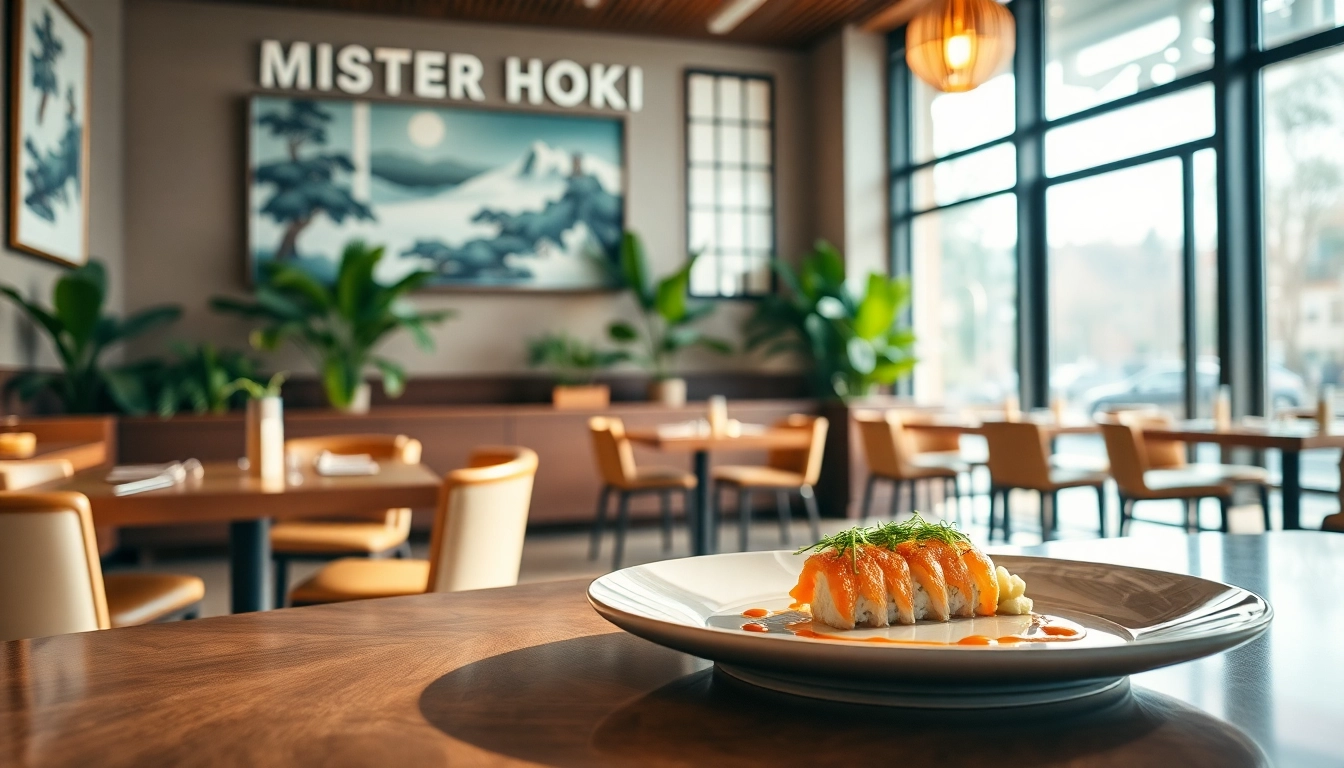
Creating a memorable dining experience extends beyond the menu; it also encompasses the overall ambiance of the restaurant. The atmosphere influences how guests feel and interact while dining. A carefully curated ambiance can complement the culinary offerings and enhance customer satisfaction, making it a vital aspect of restaurant management. This is particularly important for establishments like MISTER HOKI, where the ambiance plays an integral role in the dining experience.
What Constitutes Ambiance?
Ambiance refers to the character and atmosphere of a restaurant. Factors contributing to ambiance include lighting, decor, layout, and music. Each element works synergistically to create a specific mood that appeals to customers. The right ambiance aligns with a restaurant's brand identity, encouraging guests to return. For example, a casual eatery may focus on a vibrant and lively atmosphere, while a fine dining experience might emphasize elegance and intimacy.
The Role of Lighting in Dining
Lighting is one of the most critical elements of restaurant ambiance. It sets the mood, influences perception of food, and impacts the duration of a guest's visit. Soft, dim lighting can create a cozy and intimate atmosphere, ideal for date nights. In contrast, bright lighting may promote faster eating, making it suitable for quick-service restaurants. Restaurants can enhance their ambiance by using adjustable lighting and incorporating accent lights to highlight decor and food presentations.
Importance of Decor and Layout
Decor and layout play a significant role in establishing a restaurant's identity and guiding the flow of customer interactions. The choice of furniture, wall art, and other decorative elements should reflect the restaurant's theme. For example, rustic decor can create a warm and welcoming environment. Additionally, the layout should facilitate easy movement and ensure comfort, with seating arrangements that promote conversation while allowing guests privacy when desired.
Creating an Inviting Atmosphere
Choosing the Right Color Palette
The colors used in a restaurant can affect mood, appetite, and overall dining experience. Warm colors like reds and yellows can evoke excitement and stimulate appetite, making them popular choices for dining areas. In contrast, cooler colors such as blues and greens are relaxing and can improve concentration, ideal for those wishing to savor their meals. It’s essential to choose a color palette that aligns with the restaurant’s theme and enhances its overall ambiance.
Furniture Selection and Placement
Furniture selection and arrangement significantly influence the restaurant's vibe. Chairs and tables should be comfortable and suited for the intended meal duration. High-top tables may promote a more casual atmosphere, while upholstered seating can enhance comfort for longer meals. Placement should facilitate easy movement and provide enough personal space to keep diners comfortable while encouraging interaction among small groups.
Incorporating Elements of Nature
Integrating elements of nature can enhance ambiance significantly. Simple additions like plants can soften a space, improve air quality, and add a splash of color to a restaurant. Natural materials in decor and furnishings, like wood and stone, also create a warm and inviting environment. Water features, when integrated thoughtfully, can further enhance the serene ambiance by adding soothing sounds and visuals.
Enhancing Customer Experience
The Impact of Music on Dining
Music plays a pivotal role in shaping the dining experience. The right playlist can enhance mood, influence pacing, and create an enjoyable atmosphere. Research indicates that ambient music can slow down eating, encouraging diners to savor their meals, while upbeat tracks may speed up the dining experience. Curating the right music genre for the target clientele adds a personal touch that increases customer retention.
Staff Presentation and Interaction
The presentation and behavior of staff are crucial components of the overall ambiance. Uniforms that reflect the restaurant’s theme can enhance its aesthetic appeal. Moreover, attentive and friendly interactions contribute significantly to a positive dining experience. Training staff to be knowledgeable about the menu and provide personalized service can leave lasting impressions on guests, influencing repeat visits.
Strategies for Comfortable Seating
Comfort is non-negotiable in any dining establishment. Comfortable seating not only prolongs customer visits but also encourages guests to order more. Choosing the right chair style, with adequate spacing between tables, can minimize overcrowding and enable comfortable movement. Considerations include seat height, back support, and cushion quality, all of which impact how long diners are willing to stay and enjoy the meal.
Leveraging Technology for Ambiance
Smart Lighting Solutions
Modern technology offers innovative solutions for lighting. Smart lighting systems allow restaurants to adjust illumination based on the time of day, customer volume, and specific ambiance requirements. Dimming the lights during dinner hours can create a cozy, intimate setting, while brighter settings during brunch can enhance energy levels. Integrating smart systems provides both operational efficiency and elevated customer experiences.
Digital Menu Innovations
Digital menus offer significant advantages over traditional print. They can be updated frequently, feature interactive elements, and enable visual enchantment through colorful presentations and images. This flexibility allows restaurants to promote specials, limited-time offers, and dietary options while providing a fresher customer experience. Moreover, digital menus can enhance the ambiance by reducing clutter and maintaining a neat appearance on tables.
Social Media Integration in Decor
Leveraging social media in decor can create an atmosphere that encourages sharing. Instagrammable backdrops and thoughtfully placed hashtags enhance customer engagement and attract new visitors. This integration not only supports brand identity but also enhances visibility through user-generated content. Restaurants can creatively incorporate digital photo booths or unique decor elements that inspire customers to snap photos and share their experiences online.
Measuring Success in Ambiance Design
Customer Feedback and Surveys
Regularly gathering customer feedback and conducting surveys is essential for evaluating the effectiveness of ambiance strategies. This data provides insights into how well the restaurant meets customer expectations and the impact of ambiance on overall satisfaction. Surveys should be user-friendly and encourage open-ended responses for deeper insights. Analyzing this feedback allows restaurants to make informed changes to enhance their ambiance continually.
Social Media Engagement Metrics
Monitoring social media engagement metrics offers valuable perspectives on customer perceptions of a restaurant's ambiance. High engagement rates, shares, and positive comments indicate that the ambiance is resonating with guests. Restaurants should track which elements are garnering attention, whether it's decor, events, or unique offerings, to comprehend trends and customer preferences better.
Long-term Success and Reputation
Ultimately, a successful ambiance contributes to the restaurant's long-term reputation. Consistently delivering a positive experience builds brand loyalty and turns first-time visitors into regular patrons. Tracking metrics like repeat customer rates, online reviews, and referrals can help restaurant managers measure the long-term success of their ambiance efforts, facilitate decision-making, and ensure sustained growth.
Frequently Asked Questions
How does ambiance affect dining experience?
Ambiance greatly influences customer mood, comfort, and overall satisfaction. A well-curated atmosphere can enhance food enjoyment and encourage repeat visits.
What role does lighting play in restaurants?
Lighting sets the tone for dining, affecting mood and comfort. It can make spaces feel intimate, casual, or energetic, impacting the guest's experience.
Can decor affect sales?
Yes, appealing decor can enhance the dining experience, leading to longer stays, higher spending, and positive social media engagement, ultimately boosting sales.
Why is staff interaction important?
Staff interaction influences the dining experience, enhancing satisfaction. Engaging and friendly service fosters customer loyalty and repeat business.
How can technology improve restaurant ambiance?
Technology like smart lighting and digital menus create dynamic and innovative dining environments, enhancing convenience and customer engagement.