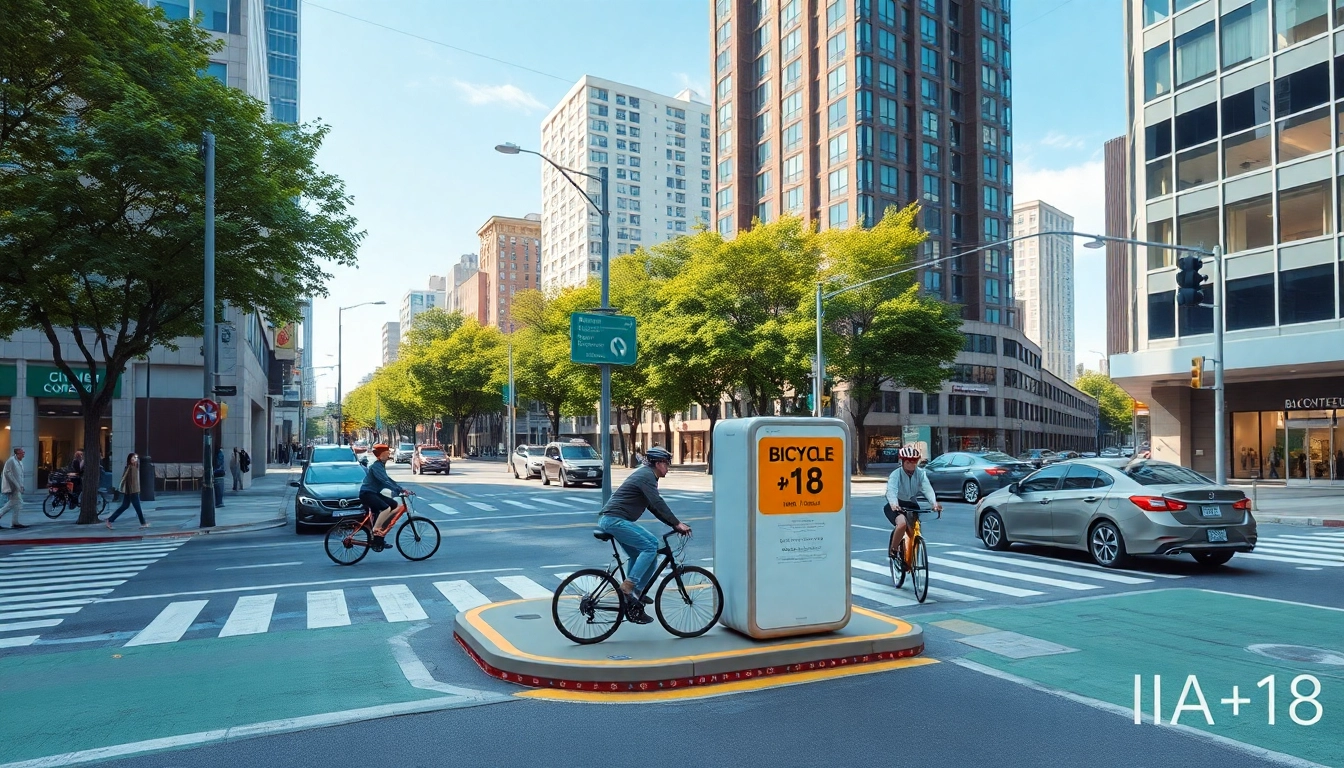
Understanding the IA +18 Framework
The IA +18 framework is an evolving concept within urban planning that focuses on enhancing roadway safety, particularly for cyclists and pedestrians. This framework encompasses various standards and guidelines aimed at improving urban mobility, emphasizing the need for effective design elements such as bicycle boxes. These features, when implemented correctly, can significantly reduce traffic conflicts at intersections while promoting sustainable transportation methods. When exploring options, ia +18 provides comprehensive insights into the latest innovations in urban transport safety and efficiency.
Defining the IA +18 Concept and Standards
The IA +18 concept integrates multiple components of urban traffic management and safety regulations tailored to foster a safer environment for all road users. Specifically, the term refers to interim approvals established by transportation authorities for the optional use of innovative design features, which include bicycle boxes at intersections. These bicycle boxes provide dedicated space for cyclists to wait at traffic signals, enhancing visibility and reducing the potential for accidents with turning vehicles.
Standards associated with IA +18 are essential for guiding municipalities on best practices for implementation. They typically involve guidelines issued by the Manual on Uniform Traffic Control Devices (MUTCD) and other relevant safety organizations, ensuring that city planners and engineers adhere to protocols that promote safety and efficiency in urban layouts.
Importance of Bicycle Boxes in Urban Planning
The integration of bicycle boxes into urban environments represents a significant advancement in traffic management. These boxes proactively address the safety challenges cyclists face, especially in high-traffic areas. By designating a space specifically for bicycles at intersections, the risk of collisions with motor vehicles during right turns is substantially reduced.
Moreover, bicycle boxes encourage more people to use bicycles as a mode of transportation, which can lead to a decrease in vehicle emissions and traffic congestion. Cities that successfully implement these designs often see an increase in cycling statistics, which aligns with broader public health and environmental goals.
Key Regulations and Guidelines Surrounding IA +18
As cities adopt the IA +18 framework, compliance with established regulations is vital. Key guidelines include those from the MUTCD, which stipulate the design, placement, and operational characteristics of bicycle boxes. Essential considerations include dimensions, marking styles, and the integration of traffic signals that accommodate both vehicles and cyclists.
Furthermore, municipalities must also consider local traffic patterns and community needs, ensuring that designs not only meet regulatory standards but also the unique characteristics of urban landscapes. Collaboration with local advocacy groups can provide valuable insights into the specific needs of cyclists and pedestrians, promoting more effective and inclusive urban planning.
Benefits of Implementing IA +18 Solutions
Enhancing Safety for Cyclists and Pedestrians
One of the most compelling advantages of implementing the IA +18 framework is the significant enhancement in safety for cyclists and pedestrians. By creating dedicated spaces for bicycle traffic, cities can reduce the likelihood of accidents and improve overall confidence in cycling as a safe mode of transportation.
Studies have indicated that cities with well-marked bicycle boxes experience fewer cyclist injuries at intersections, which is particularly crucial in urban settings where vehicle and pedestrian traffic is high. Additionally, these measures can promote a shift in public perception, encouraging more individuals to opt for cycling rather than driving.
Reducing Traffic Congestion Through Effective Design
Efficient urban planning that incorporates IA +18 principles can lead to reduced traffic congestion. By facilitating smoother interactions between cyclists and motor vehicles, cities can enhance traffic flow, particularly at busy intersections. The implementation of bicycle boxes allows for a clearer demarcation of space, which means that drivers can better anticipate cyclist movements, reducing hesitations and delays.
Promoting Sustainable Transportation Methods
Implementing IA +18 solutions aligns with global movements toward sustainability and reduces reliance on fossil fuels. Increased cycling participation can significantly decrease the number of vehicles on the road, which in turn lowers greenhouse gas emissions. Municipalities that adopt bicycle-friendly initiatives are not only contributing to environmental sustainability but are also promoting healthier lifestyles among their residents.
Common Challenges with IA +18 Implementation
Addressing Community Concerns and Opposition
Despite their benefits, the implementation of IA +18 solutions can face significant opposition from community members who may not fully understand the advantages of bicycle boxes. Concerns often center around issues such as loss of parking space, changes to traffic patterns, and the perceived inconvenience for drivers.
To address these concerns, urban planners must engage in transparent dialogues with community members, providing data and case studies that demonstrate the long-term benefits of these infrastructures. Educating the public on the safety and environmental advantages of increased cycling can help alleviate fears and garner broader support.
Overcoming Budget Constraints and Resource Allocation
Budget constraints can also hinder the implementation of IA +18 initiatives. As cities face numerous competing priorities, funding for transportation improvements often takes a backseat. Finding innovative financing solutions, such as partnerships with private organizations or leveraging federal grants, can help overcome these limitations.
Effective resource allocation is crucial, as it ensures that the available funds are used for maximum impact. Prioritizing high-traffic areas for the initial rollout of bicycle boxes can demonstrate their effectiveness and potentially lead to increased funding availability in the future.
Mitigating Safety Risks During Transition Phases
The transition to new traffic management systems can introduce temporary safety risks. During the installation of bicycle boxes, for example, confusion can arise among drivers and cyclists about the new traffic layout. Proper signage and public awareness campaigns are essential to mitigate these risks.
Implementing pilot programs or phased approaches can also help ease the transition, allowing cities to monitor the effectiveness of new designs and make adjustments based on real-world data.
Best Practices for Effective Application of IA +18
Successful Case Studies from Various Cities
Examining successful case studies from cities that have implemented IA +18 solutions can provide valuable insights for other municipalities. For instance, cities like Portland, Oregon, and Amsterdam have demonstrated the effectiveness of bicycle boxes in improving cyclist safety and encouraging urban cycling.
In these cities, comprehensive data collection and post-implementation analysis have shown significant reductions in accidents. Furthermore, community engagement in the planning stages has fostered greater public buy-in, resulting in sustained cycling growth.
Engaging Stakeholders and the Community
Engaging with various stakeholders, including transportation agencies, community groups, and local businesses, is crucial for the successful implementation of IA +18 initiatives. Collaborative efforts can ensure that the needs of all road users are considered and that designs reflect the community’s preferences.
Public forums, surveys, and interactive workshops can serve as platforms for feedback and discussion, allowing planners to address concerns and build a consensus around new designs.
Monitoring and Evaluating IA +18 Impact Metrics
Monitoring the impact of IA +18 solutions is essential for assessing their effectiveness over time. Key metrics to consider include changes in cycling traffic volumes, accident rates, and public perception surveys. By establishing a baseline before implementation, cities can effectively measure progress and make informed decisions regarding future improvements.
Using technology, such as traffic cameras and data analytics, cities can continually refine their approaches based on real-time data, ensuring that IA +18 solutions are adapted to meet evolving urban needs.
Future Trends in Urban Traffic Management for 2025
Innovative Technologies Supporting IA +18
The future of urban traffic management will likely be shaped by innovative technologies that support the IA +18 framework. Developments in smart traffic signals, connected vehicle systems, and real-time monitoring tools are expected to enhance the effectiveness of bicycle boxes and overall traffic safety.
For instance, smart traffic management systems can adapt signal timings based on real-time traffic data, ensuring smoother flows for both cyclists and vehicles. These technologies can also improve safety by providing alerts to drivers about the presence of cyclists in designated areas.
Predictions on Urban Mobility and Sustainability
As urban areas continue to grow, predictions suggest an increasing emphasis on sustainable transportation methods. The integration of IA +18 principles will likely play a crucial role in promoting a shift toward cycling as a primary mode of transport in metropolitan areas. Enhanced public transportation options, bicycle-sharing programs, and extensive bike lanes will complement these efforts, creating a more interconnected urban environment.
Shaping Policy Frameworks for Future Developments
Finally, shaping policy frameworks that prioritize sustainable urban mobility will be essential for future developments under the IA +18 framework. Policymakers must recognize the value of investing in bicycle infrastructure and integrate these priorities into broader urban planning initiatives.
By aligning transportation policies with public health and environmental goals, cities can create a more holistic approach to urban development that supports both current needs and future challenges.